
Cat:Výrobky
Nepretržité hadičky, známe tiež ako flexibilné hadičky alebo flexibilné hadičky, sa široko používajú v oblastiach dobre spracovania, ťažby a vŕtani...
Pozri podrobnosti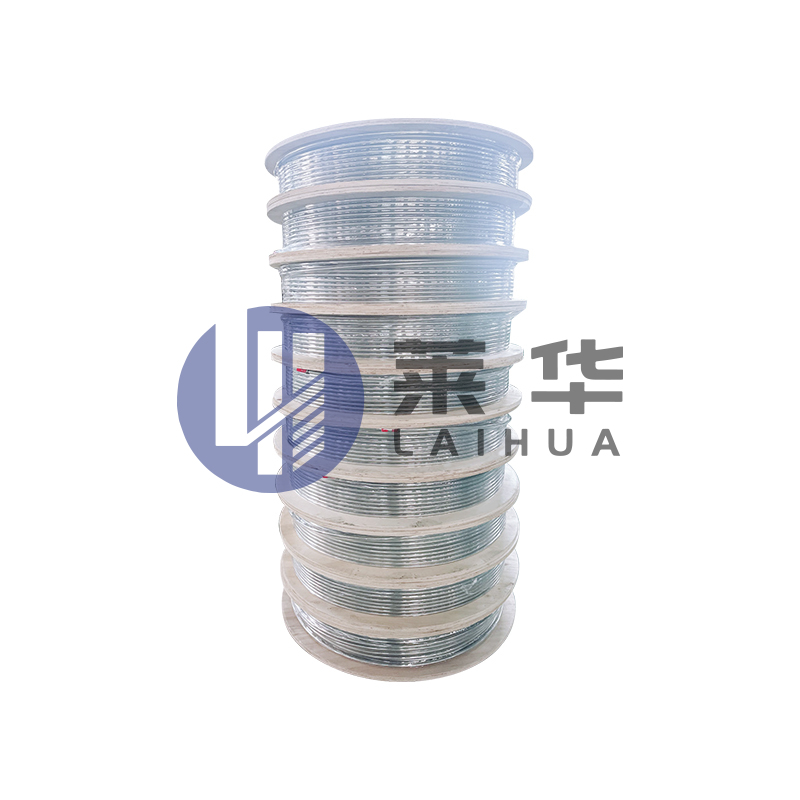
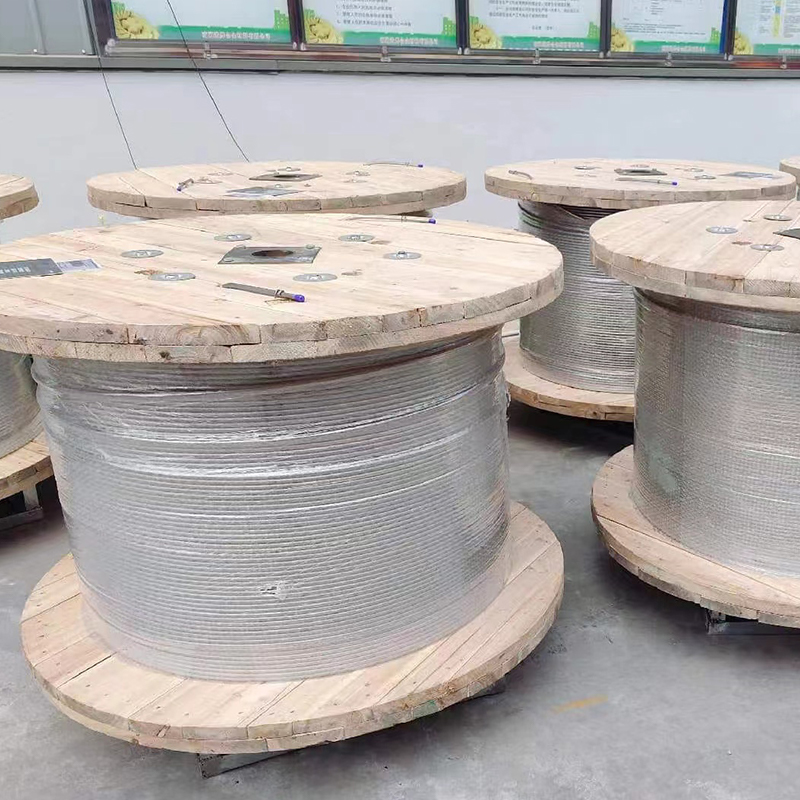
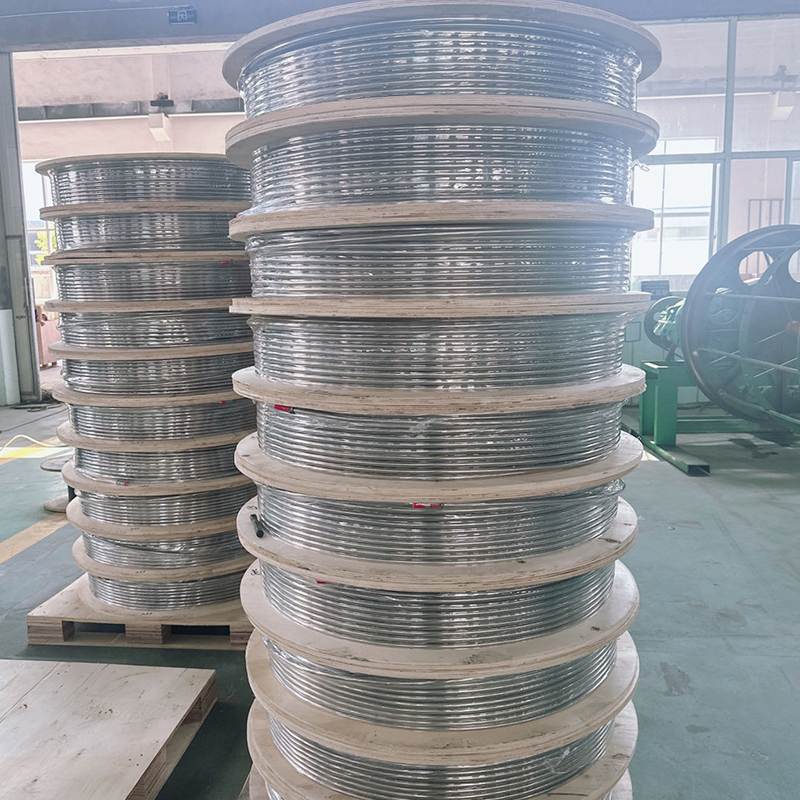
Zvárané cievky z nehrdzavejúcej ocele are continuous strips of stainless steel formed by welding individual sheets or strips end-to-end, then wound into coil form for efficient storage, transport, and downstream processing. Na rozdiel od bezšvíkových zvitkov vyrobených z plného predvalku sa zvárané zvitky vyrábajú spájaním plochej valcovanej nehrdzavejúcej ocele pomocou vysokofrekvenčného elektrického odporového zvárania (ERW) alebo laserového zvárania, čím sa vytvorí konzistentný prierez s predvídateľnými mechanickými vlastnosťami.
The resulting coil can range from a few hundred kilograms to several tonnes, with widths typically spanning 6 mm až 2 000 mm a hrúbky od 0,1 mm až 6 mm , depending on the grade and intended application. This dimensional versatility makes welded coils a preferred input material across industries that require high-volume, roll-to-roll processing.
Výber triedy je rozhodujúci pri špecifikácii zváraných zvitkov z nehrdzavejúcej ocele, pretože priamo určuje odolnosť proti korózii, zvárateľnosť a životnosť. Medzi najpoužívanejšie triedy patria:
Výberom správnej triedy sa vyhnete nadmernej špecifikácii (zbytočné náklady) a nedostatočnej špecifikácii (predčasné zlyhanie), čo sú bežné a drahé chyby pri obstarávaní.
The production of stainless steel welded coils follows a well-defined sequence that determines final quality and consistency:
Moderné výrobné linky môžu dosiahnuť pevnosť v ťahu zvaru, ktorá spĺňa alebo prekračuje špecifikáciu základného kovu, čo znamená, že zóna zvaru nie je slabým miestom správne vyrobených zvitkov.
Surface finish is not merely cosmetic — it directly affects corrosion resistance, cleanability, and suitability for forming operations. The most common finishes for stainless steel welded coils are:
| Finish | Popis | Typické aplikácie |
|---|---|---|
| 2B | Valcované za studena, žíhané, morené, pasírované; hladké, mierne reflexné | Všeobecné strojárstvo, potravinárske zariadenia, lisovanie |
| 2D | Matný povrch; žiadny kožný prechod; lepšie pre hlboké kreslenie | Deep-drawn parts, cookware blanks |
| BA (svetlo žíhané) | Žíhané v kontrolovanej atmosfére; zrkadlový povrch | Decorative panels, elevator interiors, appliance fronts |
| č. 4 | Kartáčované (lineárne zrnité); Ra 0,2 až 0,5 µm | Vybavenie kuchyne, architektonický obklad |
For hygienic applications such as food processing or pharmaceutical manufacturing, Ra < 0,8 um is the widely accepted upper limit for surfaces in product contact, making 2B or No. 4 finishes the practical choices.
Zvárané zvitky z nehrdzavejúcej ocele slúžia ako vstupný materiál pre valcovanie, lisovanie, zváranie rúr a presné rezanie v širokom spektre sektorov:
Buyers sourcing stainless steel welded coils for industrial use should verify compliance with relevant international standards. Medzi kľúčové kritériá patria:
Always request a 3.1 Mill Test Certificate (per EN 10204) when sourcing welded coils for structural or pressure-containing service. This document confirms chemical composition, mechanical test results, and heat/coil traceability from the mill to the final coil.
A frequent procurement question is whether to specify welded or seamless product. For flat-rolled coil applications, seamless is not a relevant distinction — all coil is produced from flat strip. The welded vs. seamless debate applies primarily to tubular products, where:
Pre väčšinu výrobcov rúr, stainless steel welded coils provide a cost advantage of 15–30% over equivalent seamless hollows, without compromising performance in the intended service condition.
When evaluating suppliers of stainless steel welded coils, the following criteria deserve attention beyond the quoted price per kilogram:
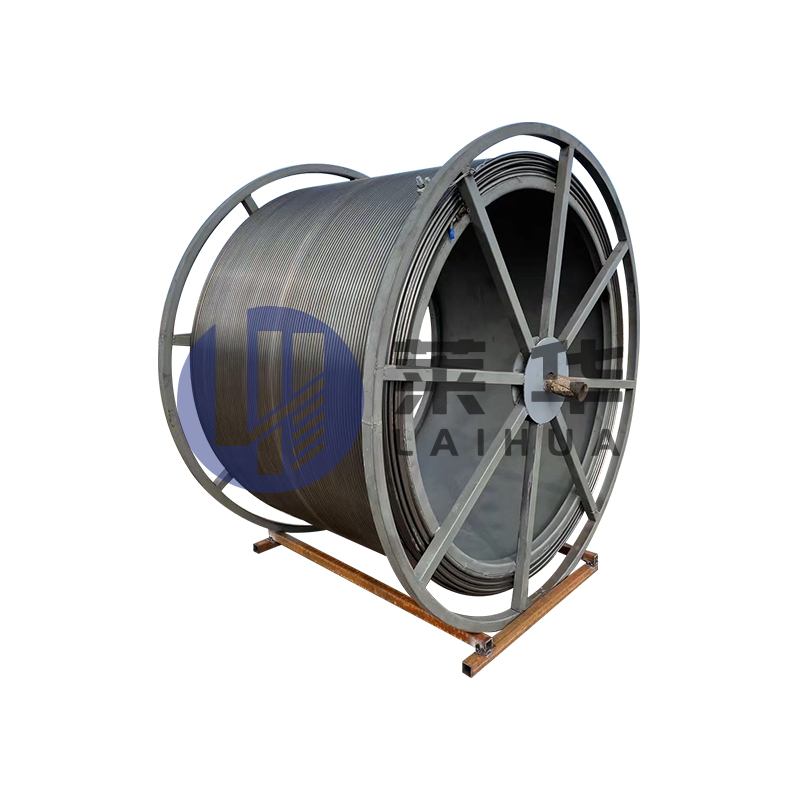
Nepretržité hadičky, známe tiež ako flexibilné hadičky alebo flexibilné hadičky, sa široko používajú v oblastiach dobre spracovania, ťažby a vŕtani...
Pozri podrobnosti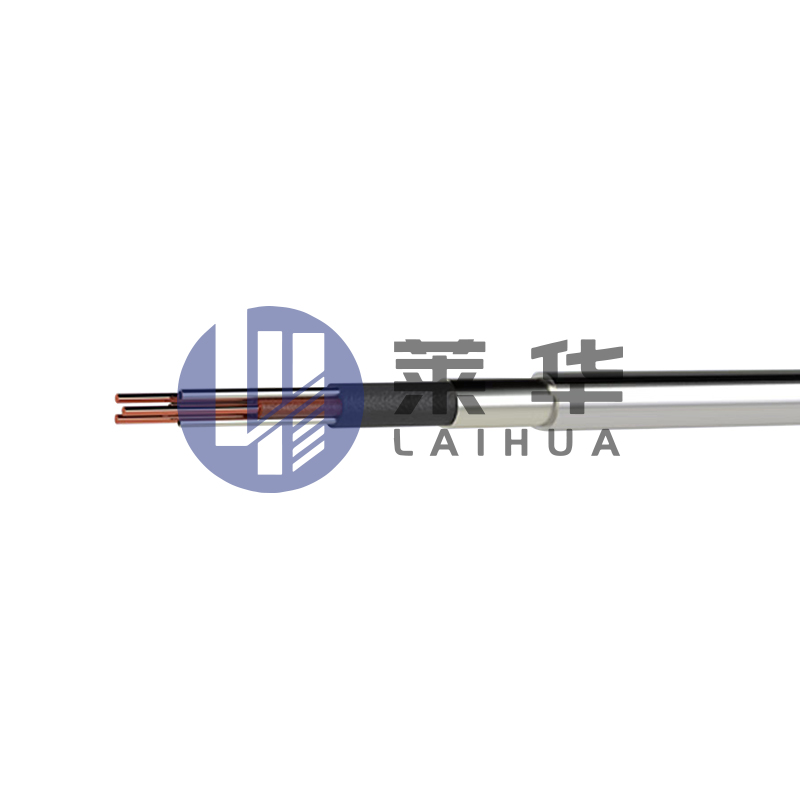
Účel: High-teplotný testovací kábel v kombinácii s vysokoteplotným testovacím vozidlom sa používa hlavne pri testovaní viacerých parametrov v studn...
Pozri podrobnosti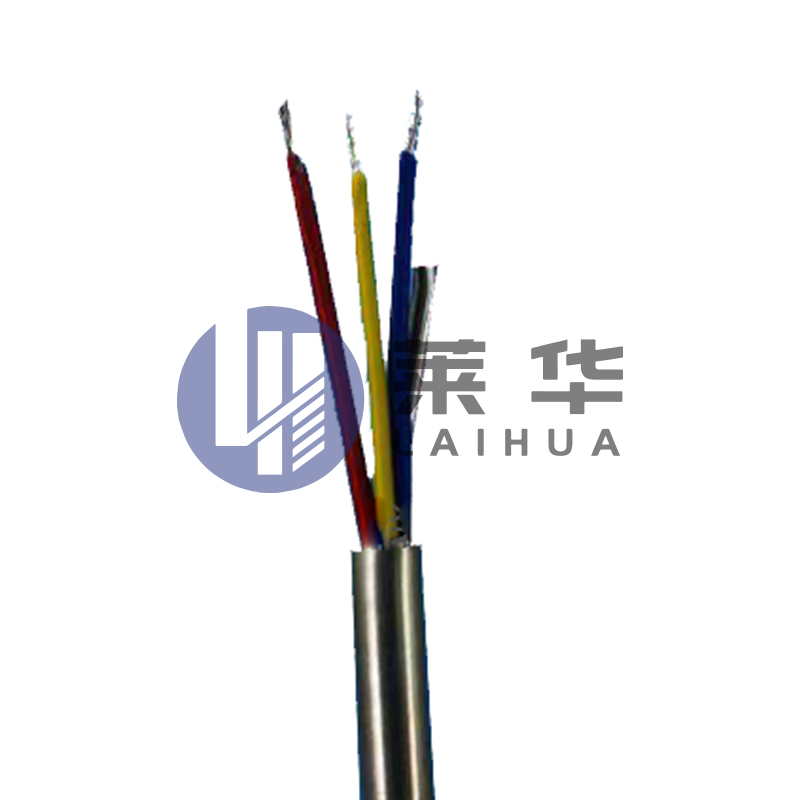
Testovací kábel z nerezovej ocele je špeciálny testovací kábel, ktorý kombinuje trvanlivosť nehrdzavejúcej ocele s vysokou účinnosťou optiky vlákie...
Pozri podrobnosti
Pokyny na použitie hydraulického riadiaceho potrubia Hydraulický riadiaci potrubie, známe tiež ako kapilára. Hlavne sa používajú na meranie podzemn...
Pozri podrobnosti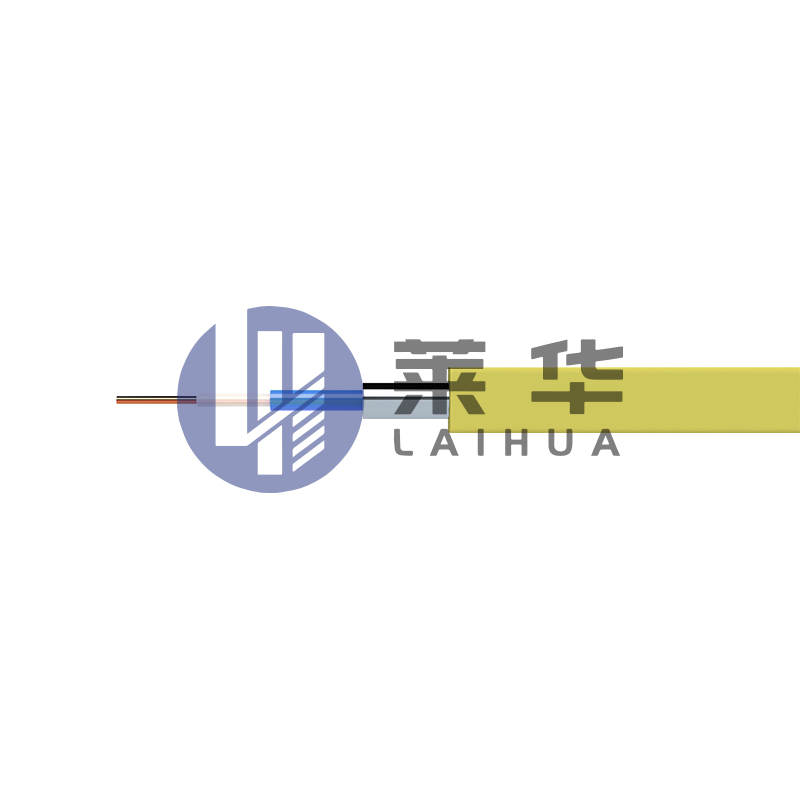
Potrubie z nehrdzavejúcej ocele je potrubný systém, ktorý kombinuje trvanlivosť nehrdzavejúcej ocele s ochranou plastu. Tento potrubný systém je zv...
Pozri podrobnosti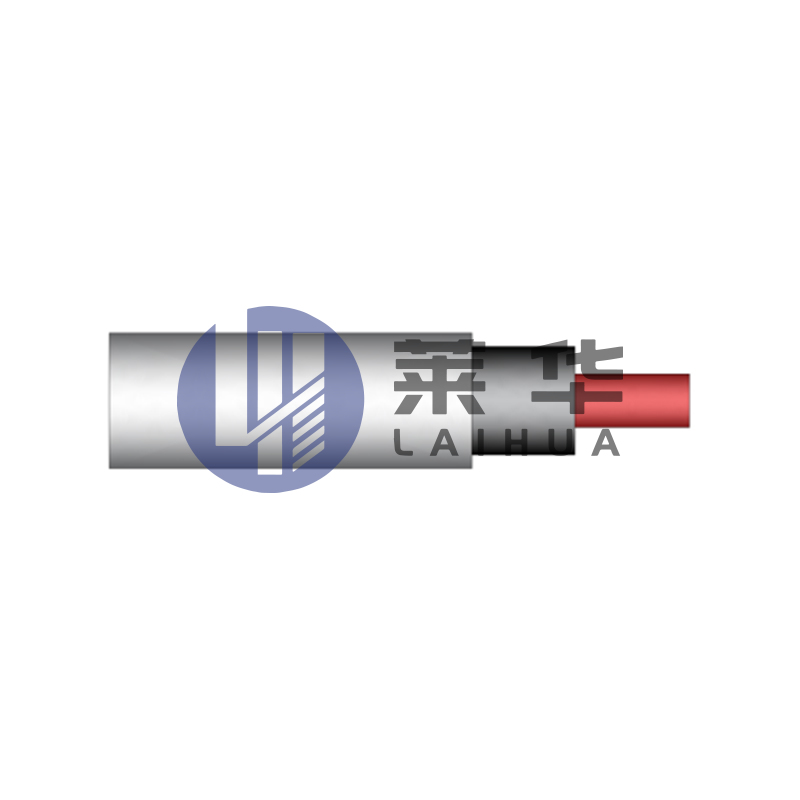
Pole aplikácie: Elektrický indukčný vykurovací systém je kompletná súprava elektrických vykurovacích zariadení vyvinutých našou spoločnosťou špe...
Pozri podrobnosti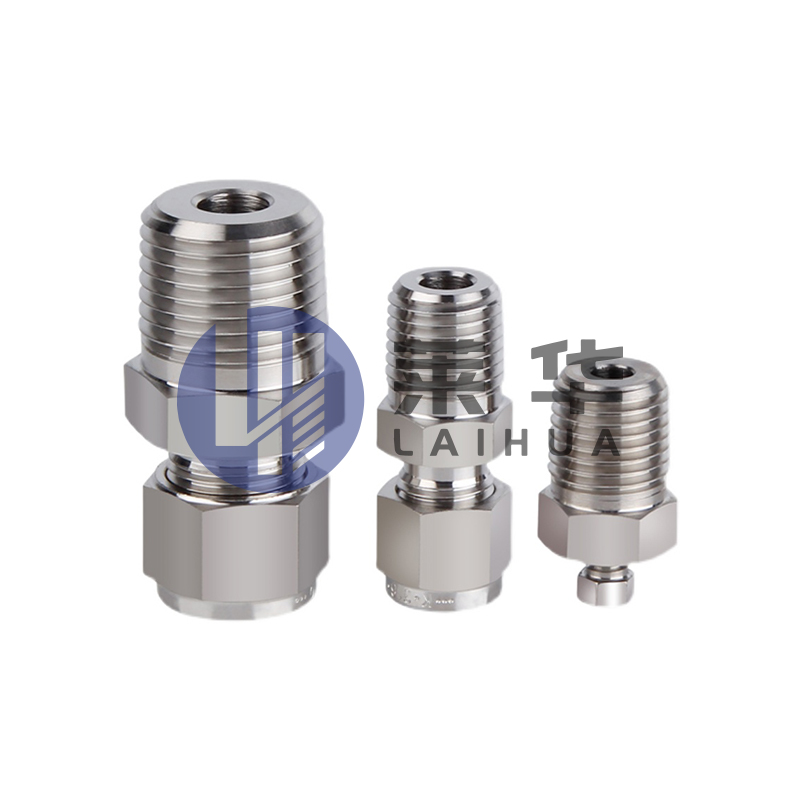
Kĺb potrubia typu Ferrule pozostáva z troch častí: kĺbové telo, ferule a orech. Keď sú svorka a matica vložené do tela kĺbu na oceľovom potrubí a m...
Pozri podrobnosti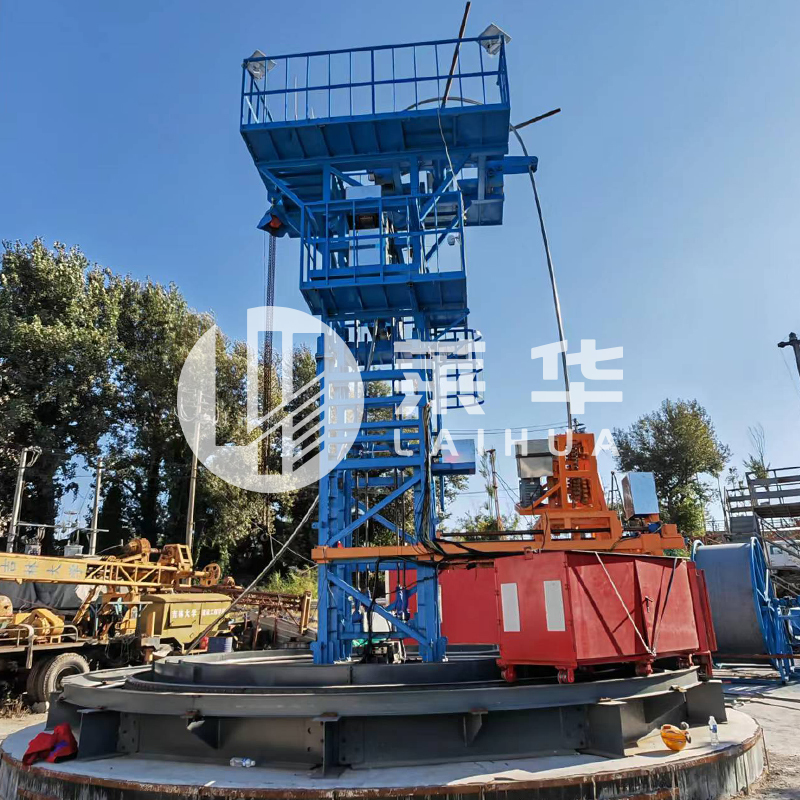
Continuous Tubing Skid Winch je špeciálne navrhnuté vybavenie pre operácie ropných polí, ktoré kombinuje konštrukčné prvky kontinuálnej hadičky (CT...
Pozri podrobnosti

E-mail:

Telefón: +86-15996597000
+86-18252893456

Whatsapp: +86-18252874678

Adresa: Č.
QR kód na
mobilný telefón
Autorské práva © Jiangsu Laihua Petroleum Equipment Co., Ltd.


Kontaktujte nás